
Video Syndication Network: How to Evaluate One in 2026 (And Why It Matters)

Daria Kabzina
Content Recruitment
Video Syndication Network: How to Evaluate One in 2026 (And Why It Matters)
If you produce video content, choosing the right video syndication network is one of the highest-leverage decisions you'll make this year. The right network reaches new audiences automatically, generates revenue you couldn't access alone, and frees your team from technical distribution work. The wrong one quietly drains time, fragments your reporting, and produces minimal returns.
This guide explains what a video syndication network actually does, how to evaluate one, and the specific questions to ask before committing.
What a Video Syndication Network Actually Does
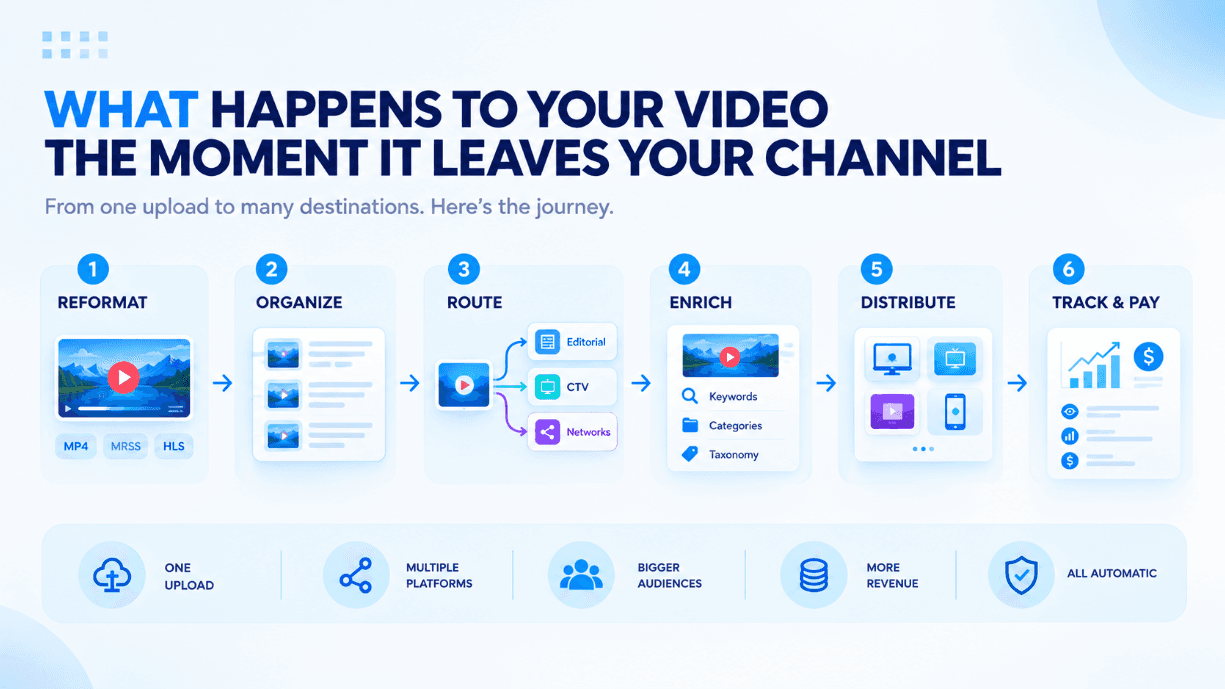
A video syndication network is infrastructure that connects your video content to multiple distribution endpoints — news platforms, publisher sites, CTV channels, video aggregators — automatically. You upload to one place. The network distributes everywhere.
A good network handles:
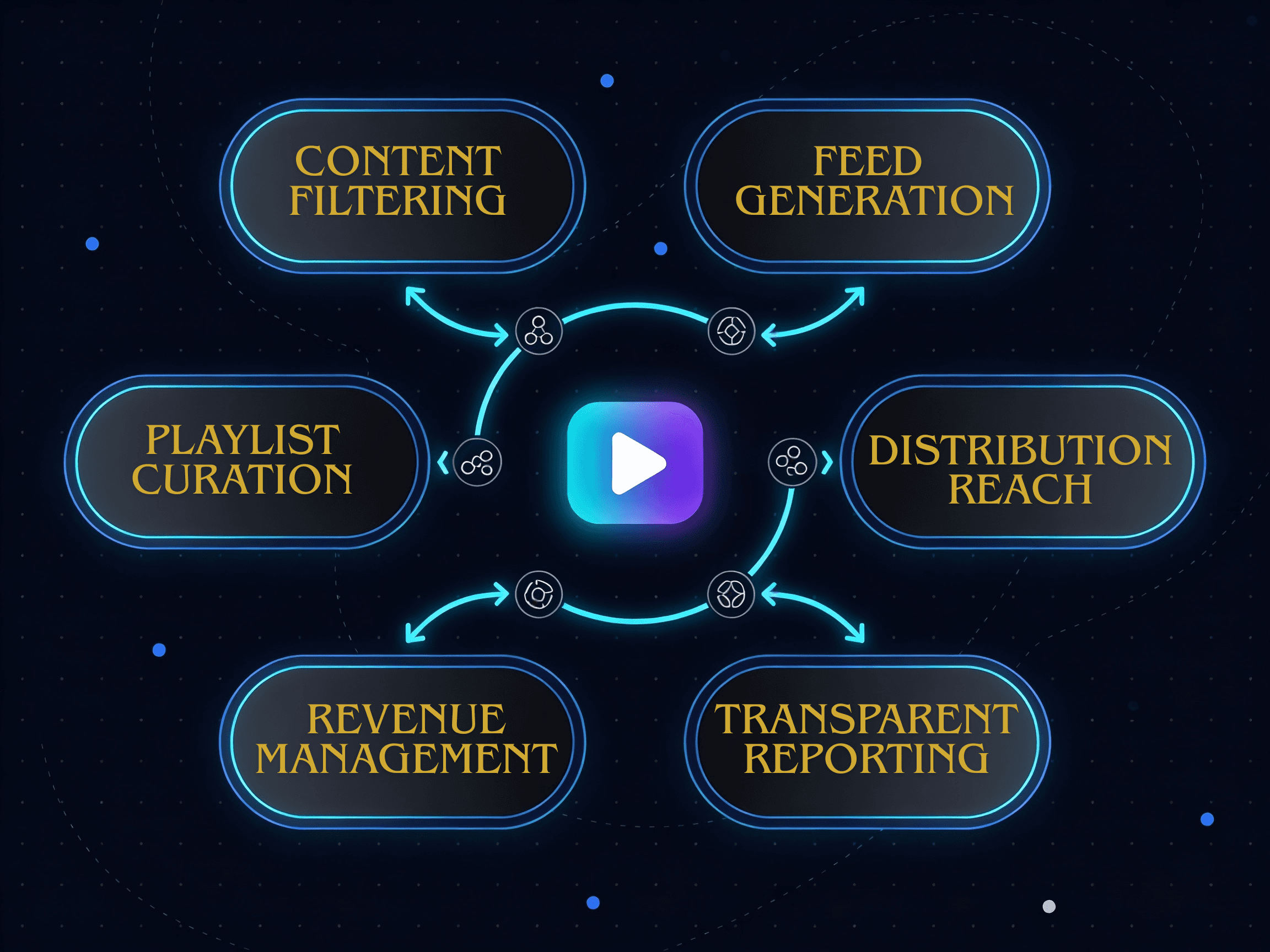
- Feed generation in the formats each receiving platform requires (most use MRSS, but each has variations)
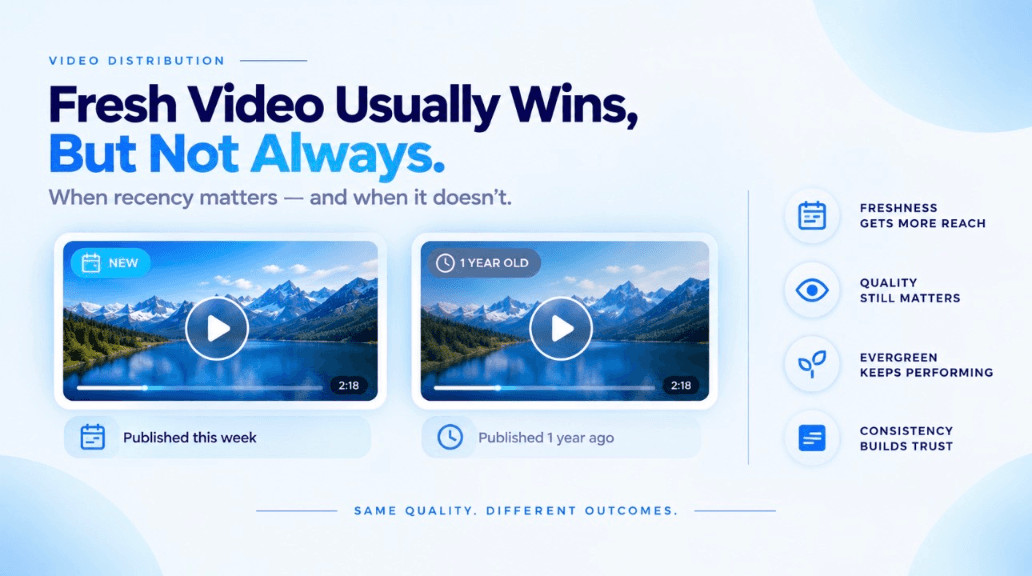
- Content organization and playlists structured to match each receiving platform's expectations (some want chronological feeds, some want topic-based playlists, some want curated daily selections)
- Content filtering so the right videos reach the right platforms — premium editorial gets news-grade content; CTV channels get long-form, lean-back-friendly content; ad-network endpoints get high-engagement clips
- Distribution relationships with platforms like MSN, Yahoo, Apple News, Roku, Primis, Ex.co, and hundreds of publisher endpoints
- Metadata enrichment so your content gets matched contextually (keywords, categories, IAB taxonomy)
- Reporting that consolidates views, impressions, and revenue across every platform into one dashboard
- Revenue management so payouts from multiple sources arrive predictably
Without a network, you're managing each integration manually — different feed formats, different contracts, different reporting tools, different payment schedules. With ten or twenty integrations, this becomes a full-time operational burden.
Why Networks Matter More in 2026
Three changes have made the "do it yourself" path increasingly untenable.
CTV is now where the money is. Connected TV CPMs run $15–$40, often 5–10x what publishers earn from social. But getting onto Roku, Fire TV, and similar platforms requires technical compliance that's prohibitive for most individual publishers. A network handles the technical work and the platform relationships.
Editorial aggregators are growing fast. MSN, Yahoo, Apple News, NewsBreak, and SmartNews now reach hundreds of millions of readers daily. Each has its own approval process and technical spec. Networks with existing relationships and approved partner status can onboard your content in days; doing it yourself can take months.
Reporting fragmentation kills decision-making. When your content is distributed across ten platforms with ten reporting dashboards, you can't see which platforms actually produce revenue. Consolidated reporting through a network turns distribution into a measurable business activity.
What to Look For in a Video Syndication Network
The networks worth your time share specific qualities. Use this as a checklist when evaluating options.
1. Real Distribution Reach (Not Just Logos on a Landing Page)
Many "syndication networks" list impressive platform logos on their marketing pages but lack actual distribution agreements. Ask directly:
- Are you an approved partner for MSN? Yahoo? Apple News?
- How many publisher endpoints are actively receiving content right now?
- Can you show example placements from existing publisher partners?
A real network can produce specifics. A marketing-driven one will deflect to "we work with hundreds of partners."
2. Content Organization and Playlist Curation
This is the difference between a feed dump and a real distribution strategy. Different receiving platforms want different content structures: MSN wants editorial-fresh playlists organized by category; CTV channels want curated chronological reels for lean-back viewing; ad networks want high-engagement clips formatted for in-article placement.
A good network organizes and compiles your content into the playlist structures each platform expects — automatically, on an ongoing basis. You shouldn't be manually rebuilding feeds for each destination.
Ask:
- How is content organized for different platform types?
- Can content be grouped into playlists by topic, freshness, or audience?
- How are new videos added to the right playlists automatically?
Middle Block automatically organizes and compiles content into the specific playlist structures each receiving platform requires — so your content arrives in the format each partner expects, every time.
3. Content Filtering: Right Content to Right Platforms
Not every video belongs on every platform. Sending evergreen lifestyle content to a breaking-news editorial aggregator wastes inventory and produces low engagement. Sending sensitive news content to a brand-safe family-audience CTV channel can create compliance issues.
A good network filters which content goes where — surfacing your strongest content for premium editorial placements, routing high-engagement clips to ad-network endpoints, and keeping inappropriate content out of mismatched environments.
Ask:
- How do you decide which content goes to which platform?
- Can I exclude specific videos or categories from specific platforms?
- What filtering happens automatically vs. manually?
This filtering — done well — is where syndication networks earn their value. It's the difference between distributing content and distributing it strategically.
4. Transparent Reporting Cadence
Reporting that arrives quarterly or "when we have data" is a red flag. In 2026, you should expect monthly reporting at minimum — ideally with a self-serve dashboard updated continuously.
Ask:
- How often are reports updated?
- Can I see views per platform, not just aggregated?
- Is revenue attribution per platform visible, or is it bundled?
Middle Block delivers monthly transparent reporting per platform — views, CPM, and revenue broken out by destination so publishers can see exactly what each integration produces.
5. Quality of Reach, Not Just Quantity
A network with "5 billion impressions" sounds impressive until you ask where those impressions come from. Premium editorial environments (MSN, Yahoo, Apple News) generate higher CPMs and better engagement than long-tail publisher networks.
Look for networks with mixed reach — broad scale for volume, plus premium placements for revenue quality.
6. Technical Onboarding Speed
A good network onboards a publisher in days, not months. The technical work — MRSS feed generation, metadata mapping, thumbnail formatting, category alignment — should happen in the background while you focus on content.
Red flags:
- Long custom integration timelines
- Requests for engineering resources from your side
- Manual content uploads (a real network ingests your existing video catalog automatically)
7. Revenue Share Clarity
Networks operate on different revenue models. Some charge fixed fees. Some take a revenue share. Some bundle both. Get this in writing before signing:
- What's the exact revenue split?
- Are there minimum guarantees?
- What's the payment schedule? (Monthly is standard.)
- Are there cancellation terms or exclusivity clauses?
Avoid networks that won't put the economics in writing or that lock you into multi-year exclusivity.
8. Brand Safety and Content Standards
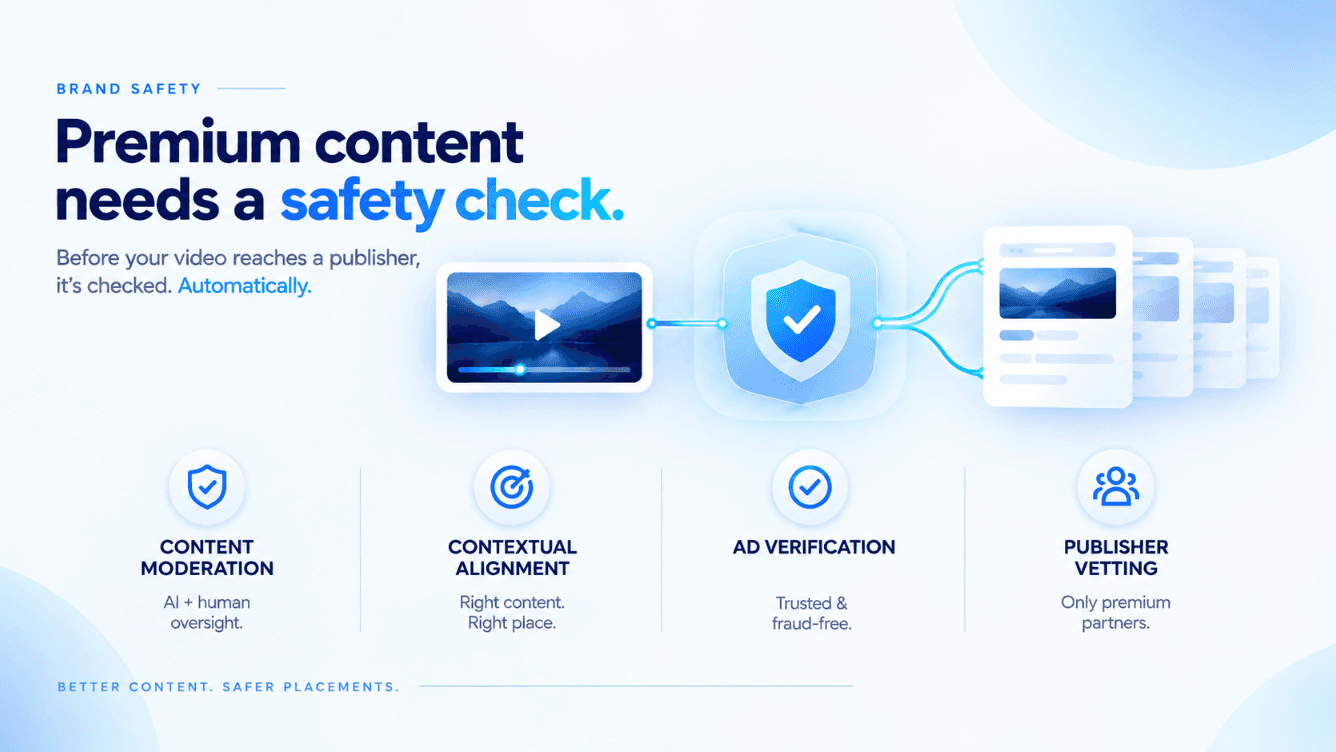
Premium publishers want their content next to other premium content. If a network mixes high-quality video with low-tier or controversial content in the same distribution flow, your brand suffers by association.
Ask:
- What's your content moderation process?
- Can I see examples of other publishers in your network?
- Are there content categories you exclude?
9. Partner-Side Quality
The publishers RECEIVING your syndicated content matter as much as the platforms. A network that places your content on premium publisher sites (recognized news brands, established niche publishers) drives higher engagement and stronger brand association than one that places content on low-trust ad-tech endpoints.
Middle Block's network includes 1,000+ vetted publisher partners across editorial, sports, finance, and lifestyle verticals — and we filter publisher integrations for brand safety before activating distribution.
The Hidden Costs of the Wrong Network
Choosing wrong isn't just neutral — it has real costs.
Lost revenue: Mediocre networks produce mediocre placements. You see your content distributed but earn 30–50% less than what a premium network would generate from the same content.
Time tax: Networks that require manual content uploads, custom integrations, or constant follow-up create ongoing operational drag that compounds over months.
Reporting blindness: Without clear per-platform reporting, you can't optimize. You don't know which platforms generate revenue, which generate just impressions, and which to deprioritize.
Brand risk: Distribution to questionable publisher endpoints affects how your brand is perceived. Premium advertisers, when they evaluate your content for direct deals, see the company you keep in syndication.
Exclusivity traps: Networks with restrictive contracts can prevent you from working with better options when they emerge.
Wrong-fit placements: Content distributed without filtering produces low engagement, low CPMs, and weak performance signals back to your network. Every video placed on a mismatched platform is a small loss compounding over thousands of impressions.
How Middle Block Approaches Syndication Differently
Most networks position themselves as a distribution tool. Middle Block operates as a video distribution platform — syndication is one part of an integrated workflow that also includes video management, partner-specific feed handling, monetization, and reporting.
What this means in practice:
1,000+ vetted publisher partners. Editorial sites, premium video networks (including Primis and Ex.co), CTV platforms, and content aggregators. Every integration is filtered for brand safety and revenue performance.
5+ billion monthly impressions. Real distribution scale, with placements weighted toward premium editorial and CTV environments where CPMs are highest.
Smart content organization and playlist compilation. Middle Block automatically organizes and compiles your content into the specific playlist structures each receiving platform requires — chronological reels for CTV, category-based playlists for editorial aggregators, high-engagement clips for ad networks. The right format for the right destination, every time.
Intelligent content filtering. Not every video belongs on every platform. Middle Block filters which content goes where based on platform fit, brand safety, and revenue potential — so your premium content reaches premium environments, and the wrong content stays out of mismatched destinations.
Monthly transparent reporting. Per-platform breakdown of views, CPM, and revenue. Publishers see exactly what each integration produces — no bundled numbers, no "trust us" reporting.
Days, not months, to onboard. Upload your video catalog once. Middle Block generates the right feed format for every partner automatically. You don't write custom code, manage individual integrations, or maintain feeds.
No long-term exclusivity. Publishers should be able to evaluate results and adjust their strategy. Middle Block's terms reflect that.
A real team behind it. Distribution isn't just software — it's relationships. Middle Block's team negotiates with platforms, advocates for partner placements, and handles the operational work that turns "we have a feed" into "we have a thriving syndication revenue stream."
When You Should Talk to Middle Block
If any of the following describe your situation, the conversation is worth having:
- You produce video regularly and you're not syndicating yet (you're leaving revenue and reach on the table)
- You have an existing syndication setup that's underperforming (incomplete reporting, weak placements, low revenue)
- You're evaluating syndication networks and want a transparent comparison
- You want CTV distribution but don't have the engineering resources to manage it directly
- You need smarter content filtering — your existing setup distributes everything everywhere, and engagement is suffering
The fastest way to see whether Middle Block is a fit for your content is a 15-minute conversation. We'll review your existing distribution (if any), your video catalog, and what realistic results look like in your category.
The Bottom Line
In 2026, your video syndication network isn't just a distribution channel — it's a meaningful revenue stream and a strategic asset that protects against platform risk. The right network compounds your existing content into multiple revenue streams across CTV, editorial, and aggregator distribution. The wrong one creates operational drag and produces mediocre results.
The right network for you is the one that:
- Has real distribution reach (verifiable, not just logos)
- Organizes content into the playlist structures each platform actually needs
- Filters the right content to the right destinations
- Reports transparently per platform
- Onboards in days, not months
- Treats publisher partners as partners, not inventory
If you've made it this far in this article, you're already thinking about syndication seriously. The next step is finding out what's possible with your specific content.
— ABOUT THE AUTHOR
Daria Kabzina
Content Recruitment
Daria has been working with content creators for the past few years with extensive experience in social networking and communications.
Connect on LinkedIn— READ NEXT
More from the team.


— LOOKING FOR SOMETHING SPECIFIC?
Talk to our team.
If you have questions about content syndication, partnerships, or the platform — we're here.